
Patients Want to Know When Relief Might Begin
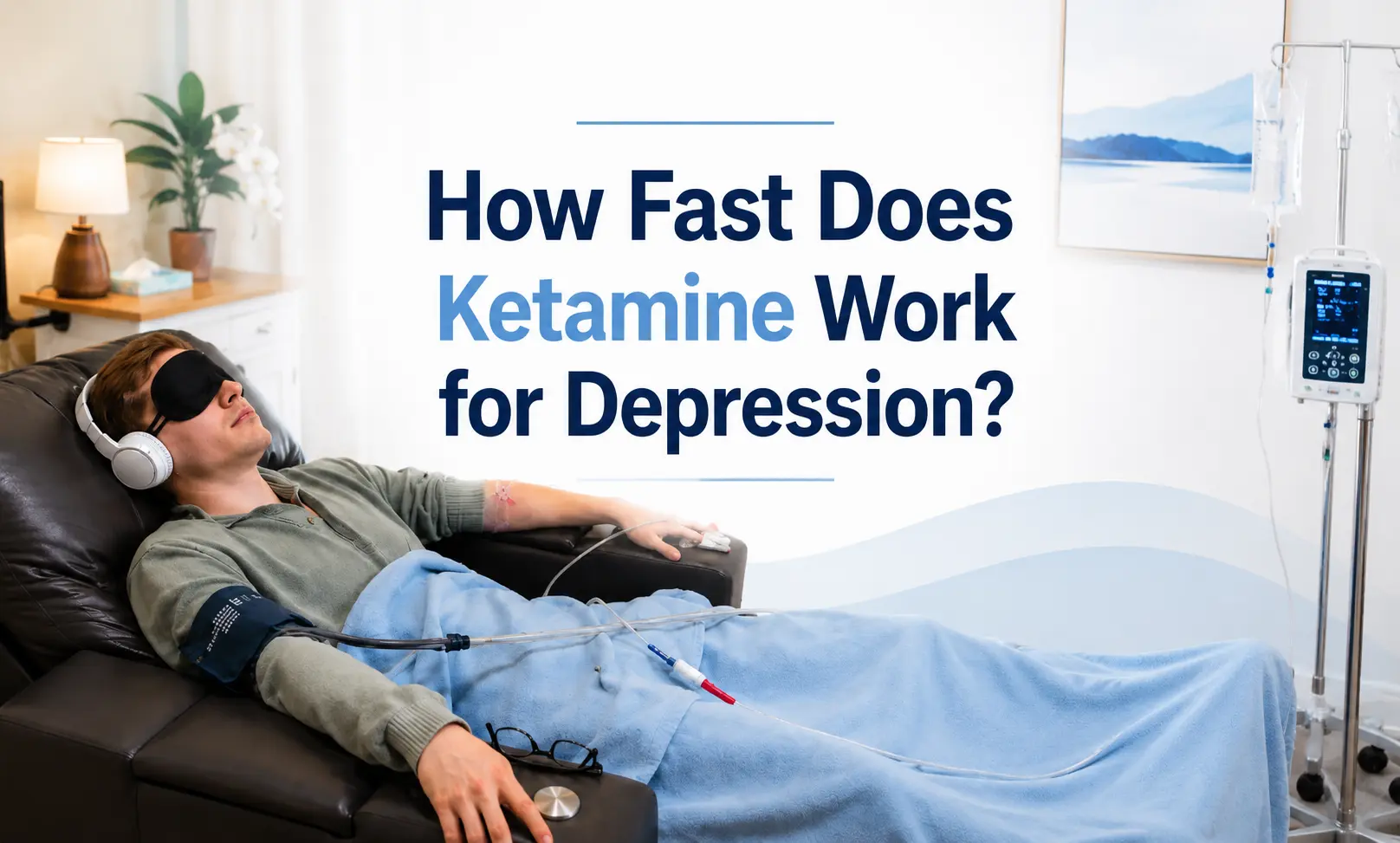
When depression has lasted for months or years, timing matters. Patients often want to know whether ketamine therapy works immediately, after a few sessions, or only after a full treatment series. The answer is different for every patient, but ketamine is often discussed because some people report improvement faster than they experienced with traditional antidepressants. How fast does ketamine work for depression? Patients often ask this question when considering ketamine therapy after struggling with symptoms for months or years.
That does not mean ketamine is instant, guaranteed, or appropriate for everyone. It means the treatment timeline should be explained honestly and monitored carefully.
Why Ketamine May Work Differently
Traditional antidepressants often require weeks before benefits are clear. Ketamine works through different pathways involving glutamate signaling and neuroplasticity. This difference may help explain why some patients experience shifts in mood, rumination, or hopelessness relatively quickly. Understanding how fast ketamine works for depression can help set realistic expectations.
Still, improvement is not always dramatic or immediate. Some patients notice subtle changes first: getting out of bed more easily, feeling less trapped by negative thoughts, or having a little more emotional space.
How Fast Does Ketamine Work for Depression?
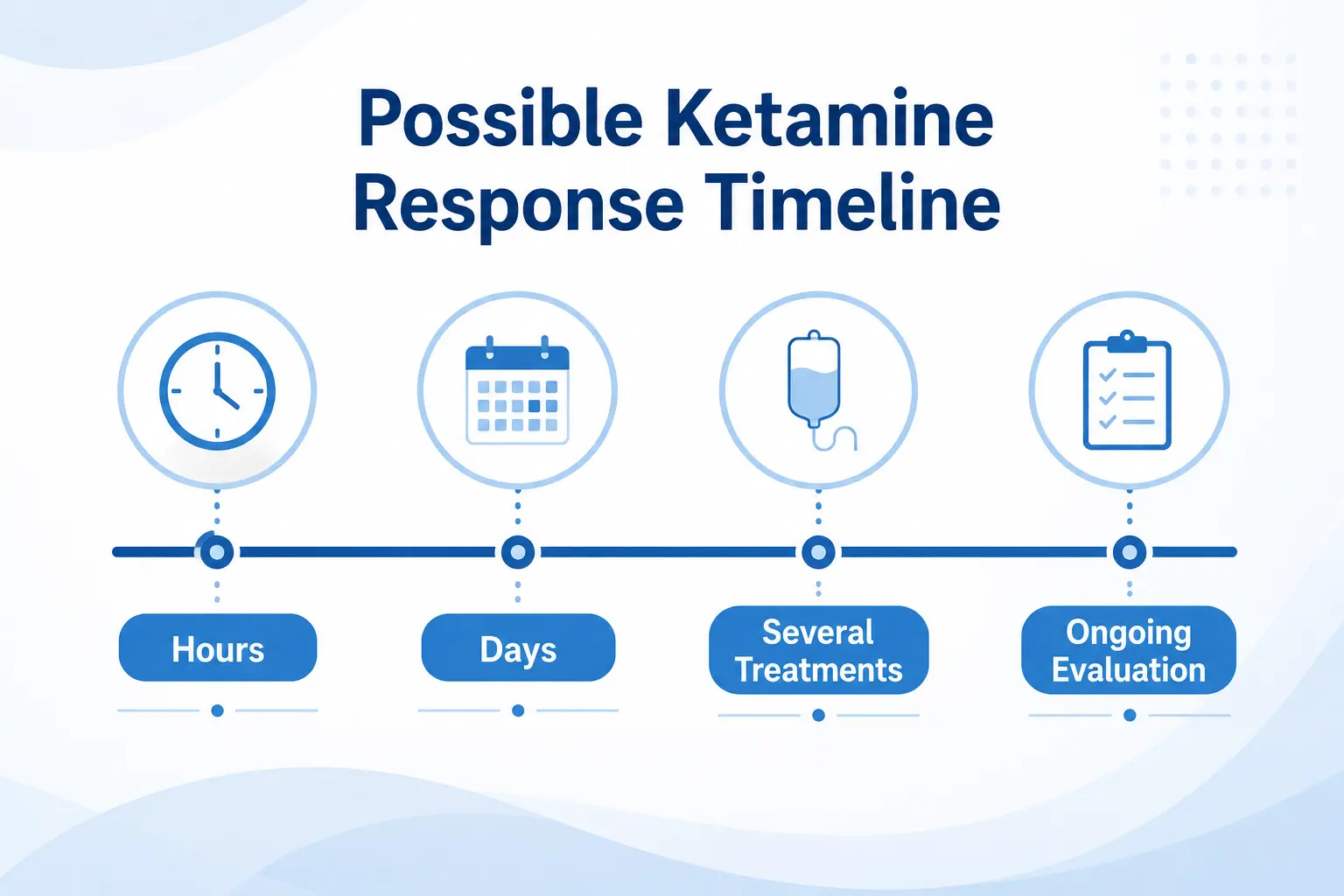
Some patients notice changes within hours or days after a session. Others need several infusions before improvement becomes clear. Some may not respond enough to continue treatment.
Changes may include:
– Reduced rumination.
– A lighter emotional state.
– Less hopelessness.
– More motivation.
– Better sleep.
– Greater ability to engage in therapy.
– Improved function in daily life.
The care team should help patients track symptoms between sessions instead of judging treatment only by how the infusion felt.
Why a Series May Be Recommended
Ketamine therapy is often planned as a series because response can build over time. A single infusion may provide useful information, but a structured series allows the care team to observe patterns, benefits, side effects, and duration of response.
A series also helps answer important questions:
– Are symptoms improving?
– Are benefits lasting between sessions?
– Is the dose appropriate?
– Are side effects manageable?
– Should the plan continue, pause, or change?
What If You Feel Better Quickly?
Rapid improvement can feel encouraging, but patients should still follow the treatment plan and aftercare guidance. Early benefits may need support through continued care, therapy, sleep improvement, and maintenance planning if appropriate.
Patients should not stop other medications or make major changes without speaking to their prescribing clinician.
What If You Do Not Feel Better Right Away?
A lack of immediate improvement does not always mean treatment has failed. Some patients need several treatments before changes become noticeable. However, the care team should reassess if there is no meaningful response after an appropriate trial.
Reassessment may include reviewing diagnosis, medications, dose, treatment goals, sleep, stress, medical conditions, and whether another option may be better.
Safety and Emotional Monitoring
Depression treatment must include safety awareness. Patients should report worsening mood, suicidal thoughts, agitation, or unusual symptoms. Ketamine therapy should not replace emergency care or crisis support.
If you are in immediate danger or feel unable to stay safe, call 988 in the United States or seek emergency care now.
How SoCal Infusions Evaluates Response
SoCal Infusions encourages patients to look at real-world changes, not only the infusion experience. The question is not simply “Did the session feel powerful?” but “Is life becoming more manageable?”
Helpful markers include:
– Mood stability.
– Sleep quality.
– Motivation.
– Social engagement.
– Work or home function.
– Reduced crisis intensity.
– Better participation in therapy.
FAQ: Ketamine Timeline for Depression
Can ketamine work after one treatment?
Some patients notice improvement after one treatment, but many treatment plans involve a series and reassessment.
How long do benefits last?
Duration varies. Some patients experience short-term relief, while others have longer-lasting improvements with a structured plan.
What if I feel emotional after treatment?
Emotional openness or reflection can happen. Patients may benefit from journaling, rest, or therapy support.
Is ketamine faster than antidepressants?
Some patients report faster changes than with traditional antidepressants, but response varies and ketamine is not guaranteed.
Can symptoms return?
Yes, symptoms can return. This is why follow-up, maintenance planning, and ongoing care matter.
Conclusion: Ketamine Response Should Be Tracked, Not Assumed
Ketamine may help some patients notice changes faster than standard treatments, but the timeline is individual. The safest approach is to begin with screening, follow a structured plan, monitor symptoms carefully, and reassess honestly. Every patient’s experience is different, which is why questions about how fast ketamine works for depression should be discussed with a qualified provider.
If depression has not improved enough with standard treatment, schedule a consultation with SoCal Infusions to discuss whether ketamine therapy may be appropriate.
This article is educational and does not replace medical advice. Seek emergency help for suicidal intent, severe worsening symptoms, or inability to stay safe.