
If you’re recovering from COVID-19 but still dealing with fatigue, brain fog, or lingering aches months later, you may have come across ketamine for long COVID symptoms as a potential option while researching treatments. Ketamine isn’t a treatment specifically approved for Long COVID, and no single therapy reverses the condition, but some patients and providers are exploring it as part of a broader approach to managing persistent post-viral symptoms. Here’s what the current evidence says, and what an appointment actually involves.
What Is Long COVID?
Long COVID, also called post-COVID conditions or post-acute sequelae of SARS-CoV-2 infection (PASC), refers to symptoms that continue or develop weeks or months after an initial COVID-19 infection has cleared. Common complaints include persistent fatigue, cognitive difficulties often described as brain fog, headaches, mood changes, and neuropathic sensations such as tingling or heightened sensitivity to pain. Symptoms vary widely from person to person, and routine lab testing often looks normal even when symptoms are significant, which is part of what makes Long COVID frustrating to diagnose and manage.
Why Some Patients Consider Ketamine for Long COVID Symptoms
Researchers have proposed that some Long COVID symptoms may be linked to ongoing low-grade inflammation, altered neural signaling, and autonomic nervous system dysfunction, sometimes described as dysautonomia, which overlaps with conditions like POTS (postural orthostatic tachycardia syndrome), following viral infection. Ketamine is an NMDA receptor antagonist that affects glutamate pathways in the brain, with documented effects on pain signaling and mood regulation. That mechanism is part of why ketamine infusion therapy is used for treatment-resistant depression and certain chronic pain conditions, and it’s the same mechanism researchers point to when studying its potential role in post-viral symptoms. A small number of published case reports have described improvement in post-COVID psychiatric and neuropathic symptoms following ketamine treatment, though this research is still early. Case reports describe individual patient experiences and don’t establish that ketamine works for Long COVID broadly, so any decision to try it should start with a full medical evaluation rather than treating it as a proven fix. For a broader look at how the treatment works, see our overview of ketamine infusion therapy.
What a Ketamine Infusion Appointment Involves
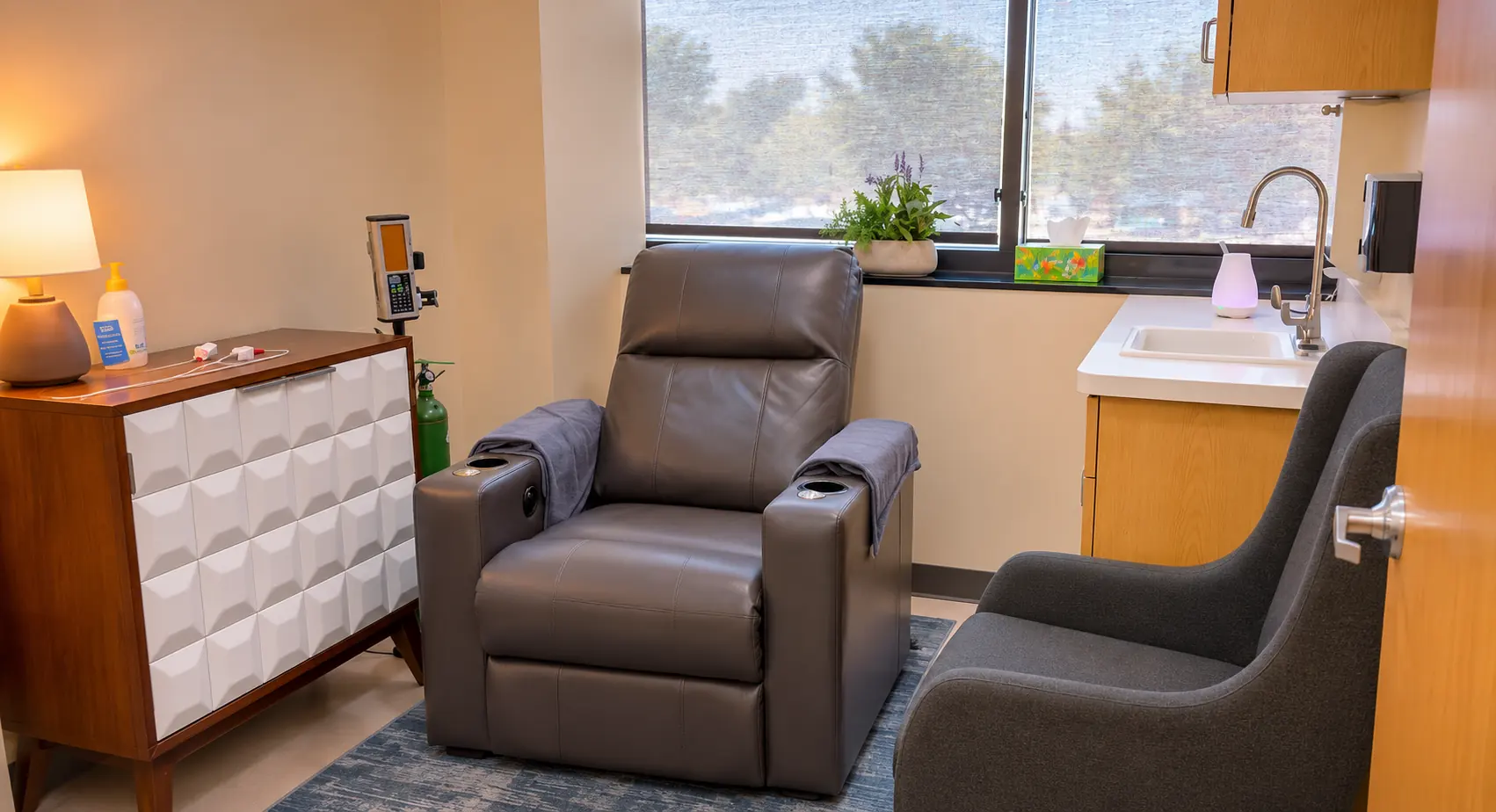
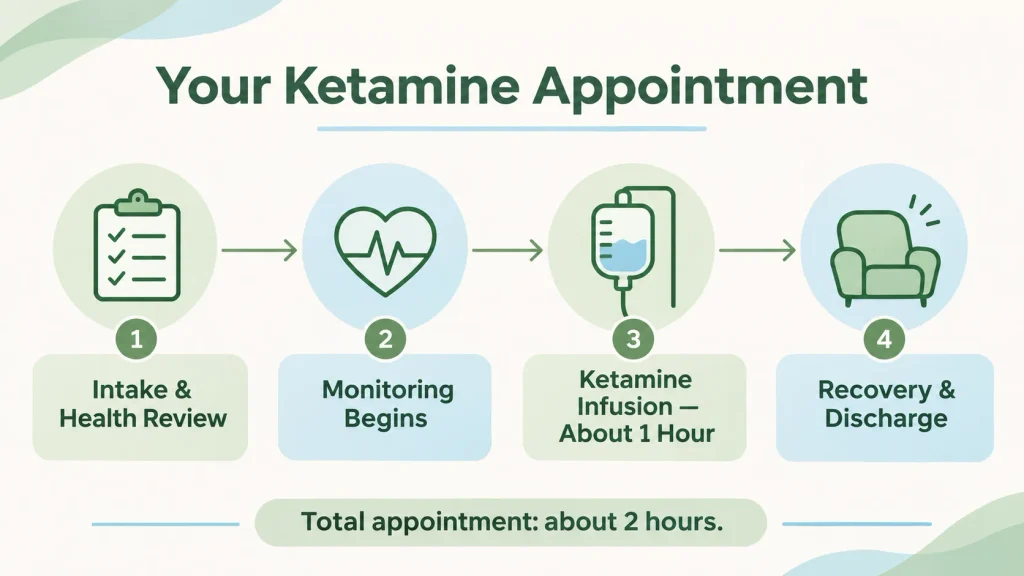
One of the most common questions patients ask is how long treatment takes. The ketamine infusion itself typically runs about one hour. With intake, monitoring before the infusion starts, and a recovery period afterward before you’re cleared to leave, the full appointment usually takes about two hours. Throughout the infusion, vital signs are monitored and a member of the clinical team stays available in case anything needs attention.
Is Ketamine Right for Long COVID Symptoms?
Ketamine therapy isn’t appropriate for everyone, and it isn’t positioned as a cure for Long COVID. A proper candidacy evaluation looks at medical history, current medications, and the specific symptoms being treated before any treatment plan is recommended. For some patients, ketamine may be considered as one part of a broader plan that also includes care from a primary physician or specialist. It isn’t meant to replace that care, and response varies widely from person to person.
Long COVID Support in Pasadena and the San Gabriel Valley
At SoCal Infusions in Pasadena, we evaluate each patient individually before recommending any treatment for persistent post-COVID symptoms. If you’re in Pasadena, Altadena, Arcadia, or elsewhere in the San Gabriel Valley and still dealing with symptoms that haven’t resolved on their own, our Long COVID page has more detail on how we approach evaluation and treatment, and our IV wellness programs may also be worth discussing depending on your symptoms.
Frequently Asked Questions
How long does a ketamine infusion appointment take?
The infusion itself is about one hour. Including intake and post-infusion monitoring, the full appointment typically takes about two hours.
Is ketamine a cure for Long COVID?
No. There is no proven cure for Long COVID. Ketamine is sometimes considered to help manage specific symptoms, not to resolve the underlying condition.
What symptoms might ketamine help with?
Some patients pursue ketamine for persistent mood changes, cognitive fog, or neuropathic pain associated with Long COVID. Response varies, and improvement, when it occurs, is often gradual.
Is ketamine infusion therapy safe?
Treatments are performed in a monitored medical setting with trained staff overseeing vital signs throughout the infusion. As with any medical treatment, candidacy depends on individual health history.
Is Long COVID related to dysautonomia or POTS?
Some patients with Long COVID also experience autonomic symptoms such as a rapid heart rate, dizziness on standing, or trouble regulating temperature, sometimes described as dysautonomia or POTS (postural orthostatic tachycardia syndrome). The overlap between Long COVID and these conditions is an active area of research. A thorough evaluation can help determine whether autonomic symptoms are part of your overall picture before any treatment is considered.
Does insurance cover ketamine therapy for Long COVID?
Typically not. Ketamine infusion therapy is generally considered elective rather than medically necessary by insurers. SoCal Infusions offers flexible financing through Advance Care and Wisetack for patients who want to spread the cost over time.
How do I know if I’m a candidate?
A candidacy evaluation involves a review of your medical history, current medications, and specific symptoms. This is the first step before any treatment plan is discussed.
Conclusion
Ketamine infusion therapy isn’t a proven cure for Long COVID, but for some patients dealing with persistent mood, cognitive, or pain symptoms after COVID-19, it may be worth discussing as part of a broader care plan. If you’re in Pasadena or the greater San Gabriel Valley and still struggling with symptoms months after infection, reach out to talk through whether an evaluation makes sense for you.
This article is for educational purposes only and is not a substitute for medical advice. Consult a qualified healthcare provider regarding any specific treatment.