
Feeling Nervous Before Your First Infusion Is Normal
Your first ketamine infusion can feel like a big step, especially if you’re seeking treatment for depression, anxiety, PTSD, chronic pain, or another condition that hasn’t improved with standard therapies. Many patients have questions about what happens before, during, and after treatment. Understanding the process can help you feel more confident, prepared, and supported before your appointment.
A first ketamine infusion should never feel rushed or mysterious. The safest and most supportive experience begins with education, screening, and a clear plan. At SoCal Infusions, the goal is to help patients understand the process before treatment begins so they can feel informed, prepared, and supported.
What Is Ketamine Infusion Therapy?
Ketamine is a medication that has long been used in medical settings. In infusion therapy, ketamine is administered intravenously under clinical supervision. For mental health and chronic pain conditions, ketamine may be considered when symptoms have not responded adequately to standard treatments.
IV ketamine is different from taking a pill at home. The infusion setting allows the care team to control the dose, monitor vital signs, observe the patient’s response, and adjust support as needed. This is one reason medically supervised care is so important.
The Consultation Comes First
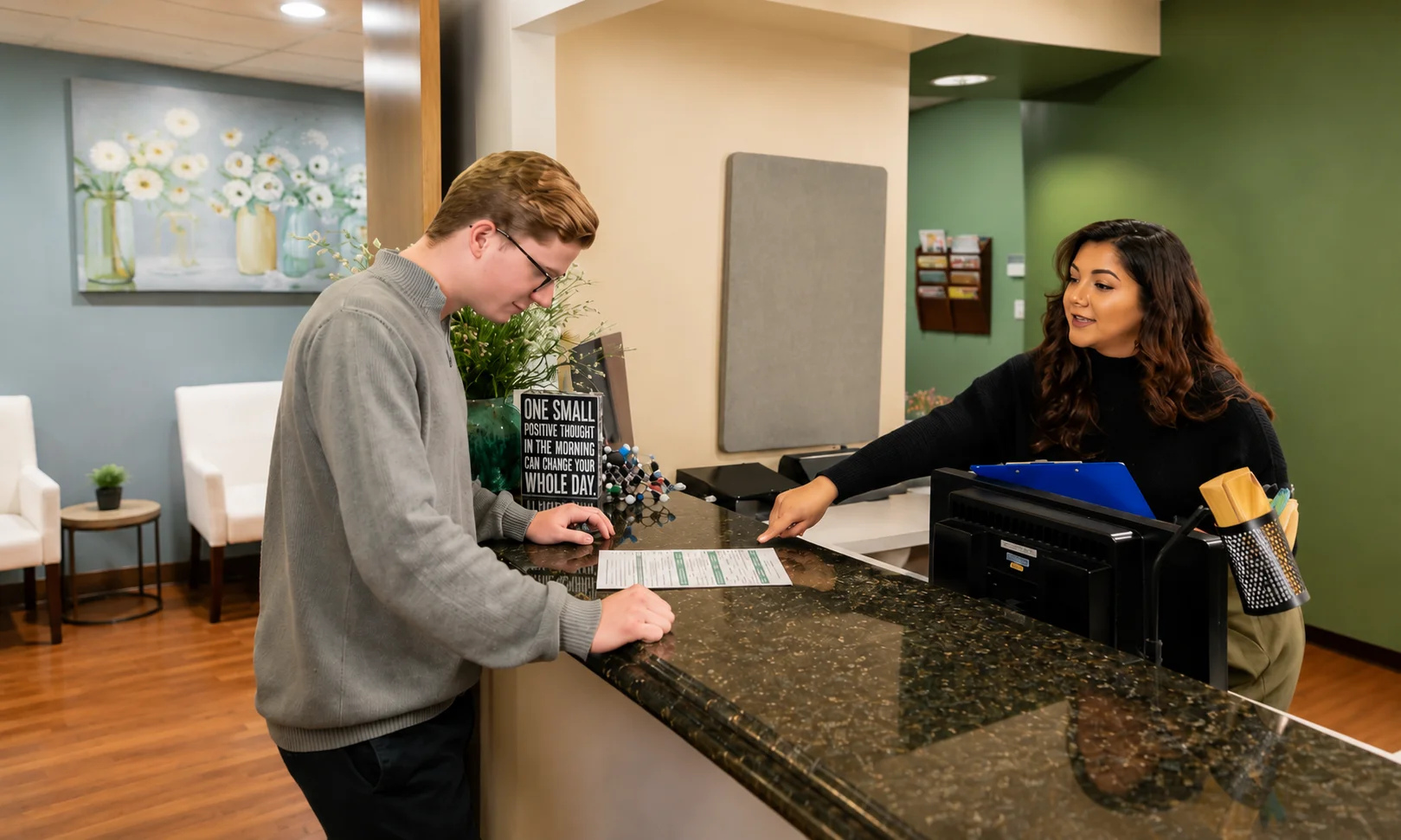
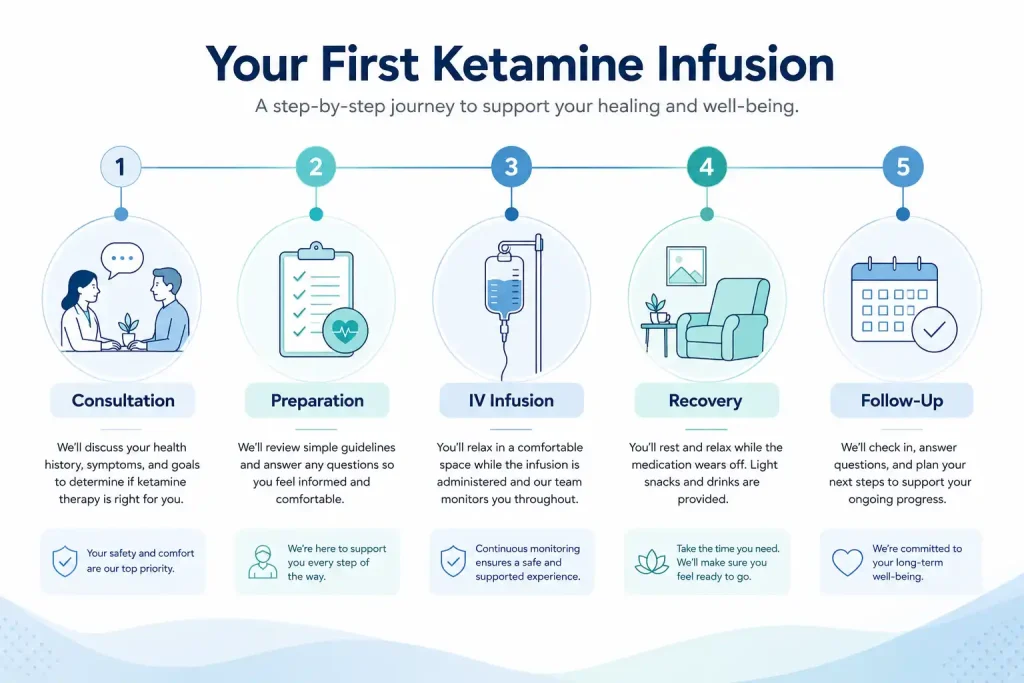
Before the first infusion, patients should expect a consultation and screening process. This is where the team reviews your health history, current medications, prior treatments, and goals for care.
The intake may include discussion of:
- – Your diagnosis and symptom history.
- – Prior medications, therapy, procedures, or hospitalizations.
- – Current prescriptions and supplements.
- – Blood pressure, heart history, and other medical conditions.
- – Substance use history and safety considerations.
- – Whether you have support after the appointment.
- – What you hope treatment will help with.
This step helps determine whether ketamine therapy is appropriate and whether any precautions are needed.
How to Prepare for Your First Ketamine Infusion
Preparation can make the experience smoother. Patients should follow the clinic’s specific instructions, but common preparation steps may include:
– Arrange transportation home.
– Avoid driving after treatment.
– Follow fasting instructions if provided.
– Wear comfortable clothing.
– Bring headphones, calming music, or an eye mask if recommended.
– Avoid alcohol or recreational substances before treatment.
– Take medications only as instructed by the care team.
– Plan a lighter schedule after the infusion.
Patients should also share any changes in health, medication, or mood before the appointment begins.
What Happens During Your First Ketamine Infusion?
During the session, you will be seated or reclined in a comfortable treatment space. An IV is placed, and ketamine is administered in a controlled manner. The care team monitors your comfort, blood pressure, pulse, oxygen levels when appropriate, and overall response.
Patients may notice changes in perception, body awareness, emotions, or sense of time. Some describe feeling deeply relaxed or detached from ordinary thought patterns. Others experience floating sensations, visual imagery, or emotional release. The experience varies from person to person and from session to session.
If anxiety, nausea, discomfort, or confusion occurs, the care team can provide reassurance and support. You are not left alone to figure it out.
What Happens Afterward?
After the infusion ends, patients remain in the clinic until they are stable enough to leave. It is common to feel tired, reflective, lightheaded, or emotionally open for a period of time. Because judgment and coordination may be affected, patients should not drive or make major decisions immediately afterward.
Aftercare may include:
- – Resting for the remainder of the day.
- – Eating a light meal when comfortable.
- – Hydrating.
- – Avoiding alcohol or sedating substances.
- – Journaling insights if helpful.
- – Following up with therapy or integration support if part of the care plan.
The day after treatment, some patients feel clearer or lighter. Others notice more gradual changes over a series of sessions.
What Results Should You Expect?
Ketamine therapy is not the same for every patient. Some people notice changes quickly, while others need several sessions before meaningful improvement is clear. For chronic pain, PTSD, or treatment-resistant depression, the response can depend on many factors, including diagnosis, duration of symptoms, medications, sleep, stress, and overall health.
A first infusion is often about both treatment and learning: how your body responds, what the experience feels like, and how the care team may adjust the plan.
Safety Considerations
Ketamine therapy requires medical supervision. Side effects may include nausea, dizziness, temporary blood pressure changes, dissociation, sedation, or anxiety during the experience. Patients with certain medical or psychiatric risk factors may need additional review or may not be candidates.
Seek urgent care for chest pain, severe shortness of breath, fainting, severe confusion, or symptoms that feel dangerous or unusual.
FAQ: First Ketamine Infusion
No. Patients should arrange transportation after ketamine therapy because coordination, perception, and judgment can be affected.
Yes, in this treatment context patients are generally awake but may feel deeply relaxed, dissociated, or detached from ordinary awareness.
Bring a medication list, comfortable clothing, and any approved comfort items such as headphones or an eye mask.
Timing varies by protocol and recovery needs. Ask the clinic what to expect for your specific treatment.
Some patients notice early changes, but ketamine therapy is often planned as a series with reassessment.
Conclusion: Preparation Helps You Feel Safer and More Supported
Your first ketamine infusion should be guided, monitored, and clearly explained. The more you understand the process, the easier it is to enter treatment with realistic expectations and less anxiety.
If you are considering ketamine therapy in Pasadena, schedule a consultation with SoCal Infusions to learn whether you may be a candidate and how to prepare for your first infusion.
This article is educational and does not replace medical advice. Ketamine therapy is not appropriate for everyone and should be provided only under qualified medical supervision.