


The Experience Is One of the Biggest Questions Patients Have
What Does Ketamine Feel Like During Treatment is one of the most common questions patients ask before starting IV ketamine therapy. Many people are less worried about the IV itself and more curious about the experience. Will I feel out of control? Will I hallucinate? Will I remember it? These are normal questions, especially for patients seeking care for depression, PTSD, anxiety, or chronic pain.
Ketamine can temporarily change perception, body awareness, emotion, and sense of time. The experience varies, but it should happen in a medically supervised environment where patients are monitored and supported.
Why What Does Ketamine Feel Like During Treatment Is Different
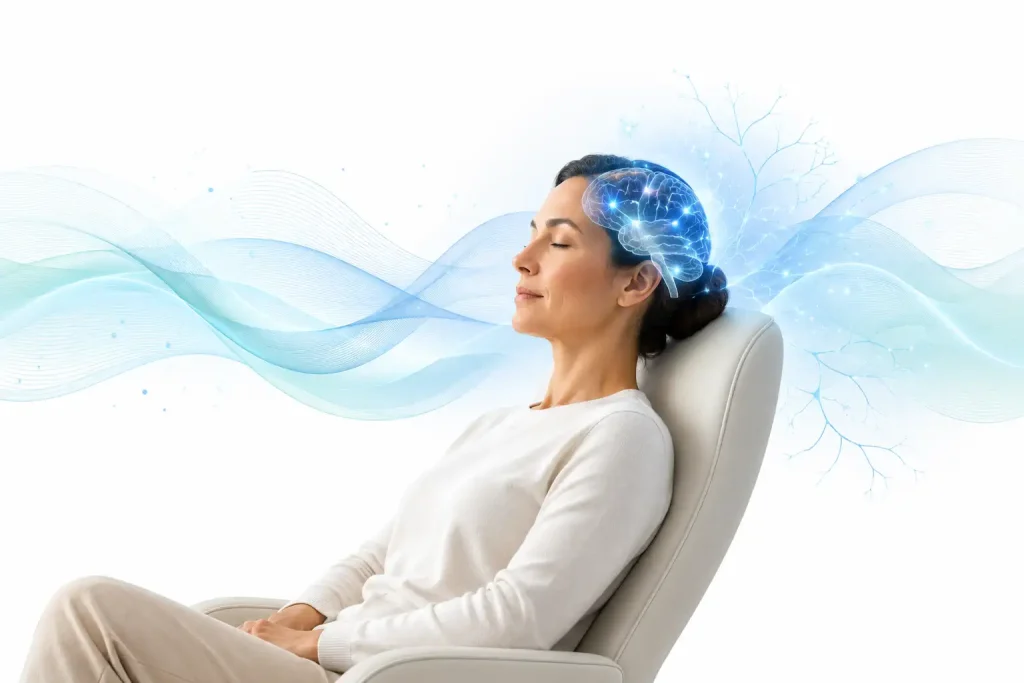
Ketamine affects glutamate signaling and NMDA receptors, which are involved in perception, memory, pain processing, and neural communication. During treatment, this can create a dissociative or dreamlike state. Dissociation means feeling somewhat separated from ordinary body sensations, thoughts, or surroundings.
This does not mean the patient is unconscious. Many patients remain aware that they are in a treatment room, but the mind may feel quieter, more spacious, or less attached to ordinary worries.
What Does Ketamine Feel Like During Treatment? Common Sensations
Patients may report:
- A floating or light body sensation.
- Changes in sound, light, or visual imagery.
- A sense that time is moving slowly or quickly.
- Emotional memories or insights.
- A dreamlike or meditative state.
- Temporary detachment from pain or negative thoughts.
- Feeling relaxed, heavy, or deeply still.
Understanding what does ketamine feel like during treatment can help reduce anxiety before your first appointment.
Can Ketamine Feel Scary?
It can feel unfamiliar, and unfamiliar sensations may create anxiety for some patients. This is why preparation and clinical support matter. A calm setting, clear expectations, and reassurance from the team can help patients feel safer.
If discomfort occurs, the care team can provide grounding, adjust the environment, or respond clinically if needed. Patients should not feel abandoned during the experience.
Will You Lose Control?
Patients receiving ketamine infusion therapy in this setting are monitored. You are not expected to guide the session perfectly or “perform” in any way. The goal is to relax into the experience while the care team manages the clinical side.
You may feel less attached to normal thoughts, but this is temporary. After the infusion ends, the effects gradually wear off during recovery.
What Happens Emotionally?
Some patients feel peaceful. Others feel reflective, emotional, or surprised by memories or themes that arise. Ketamine therapy is not psychotherapy by itself, but the experience can sometimes create material that patients later process with a therapist or trusted clinician.
For patients with trauma histories, it is especially important to have a plan for emotional support and integration if needed.
What Happens After the Infusion?
After treatment, patients may feel tired, calm, thoughtful, or slightly unsteady. Because perception and coordination can be affected, patients should not drive after treatment. A lighter schedule and rest are usually recommended.
Some patients notice mood or pain changes the same day. Others notice changes over the next 24 to 72 hours or across multiple sessions.
National Institute of Mental Health
How SoCal Infusions Supports the Experience
SoCal Infusions focuses on making the treatment environment calm, medically supervised, and patient-centered. Patients are prepared before the session and monitored during treatment. The team explains what to expect and helps patients understand that unusual sensations are often temporary parts of the ketamine experience.
Read more Ketamine safety
Every patient’s experience is unique, so what does ketamine feel like during treatment may vary depending on the condition being treated, dosage, and individual response.
FAQ: Ketamine Treatment Experience
Some patients experience visual imagery or dreamlike perception. Others do not. The experience varies by dose, setting, and individual response.
Patients are generally awake but may feel deeply relaxed, detached, or internally focused.
Tell the care team. The environment and monitoring are designed to support patients if anxiety arises.
Many patients remember parts of the session, but memory may feel dreamlike or fragmented.
Not necessarily. Clinical improvement is measured by symptom change and function, not by how intense the experience felt.
Conclusion: Ketamine Can Feel Unusual, But It Should Feel Supported
Ketamine therapy can create a temporary state that feels different from ordinary awareness. For many patients, knowing what to expect reduces fear and helps them approach treatment with more confidence.
If you are considering ketamine therapy and want to understand what treatment may feel like, schedule a consultation with SoCal Infusions in Pasadena.
This article is educational and does not replace medical advice. Ketamine therapy should be provided only after appropriate screening and under qualified medical supervision.