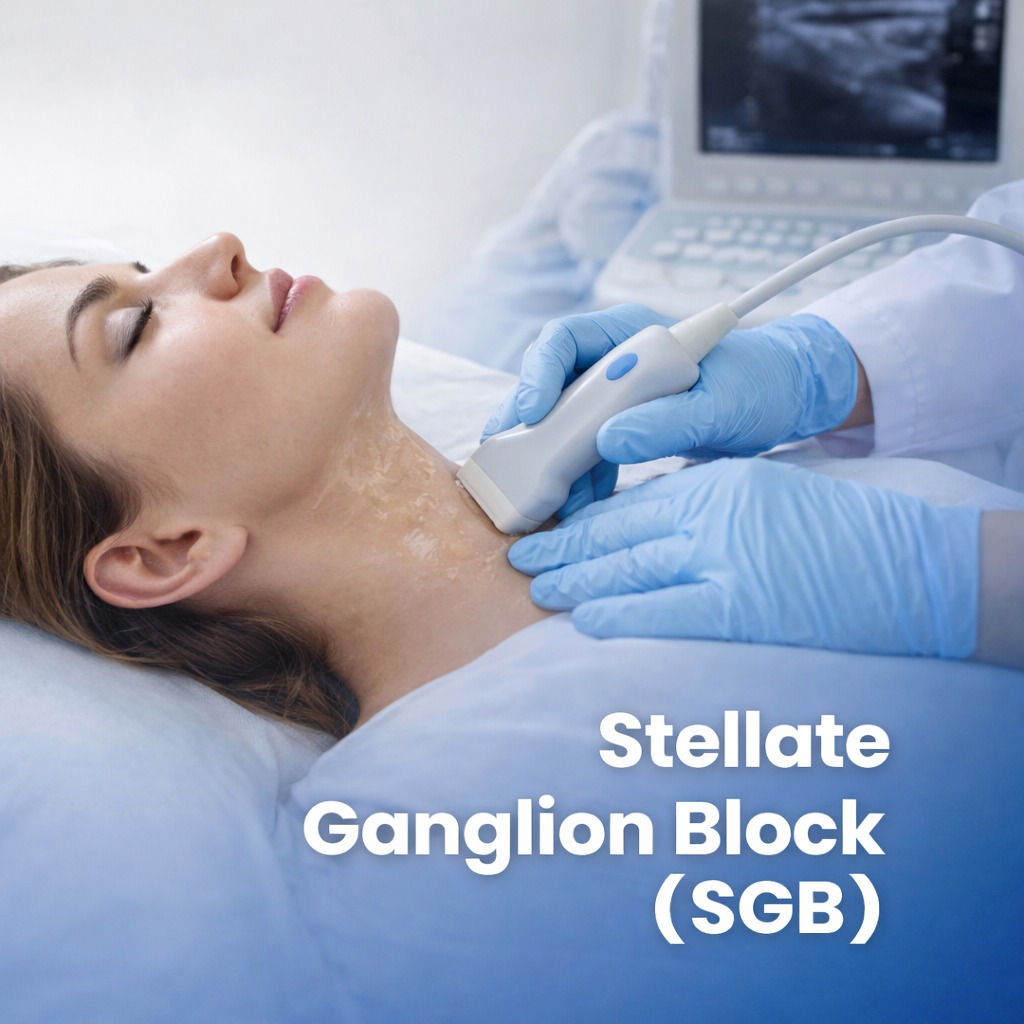
The Stellate Ganglion Block (SGB) is an advanced procedure that targets a nerve cluster in the neck to alleviate pain and reduce stress. Initially used for chronic pain management, it is now gaining recognition as a treatment for PTSD, anxiety, and other stress-related conditions.
How It Works
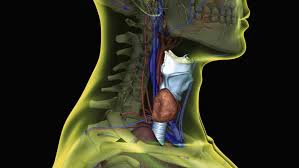
SGB involves a precise injection of a local anesthetic near the stellate ganglion, a nerve bundle in the neck. This temporarily blocks pain signals and regulates the sympathetic nervous system, providing fast relief from chronic pain and easing symptoms of anxiety and PTSD.
Benefits & Expected Outcomes
Fast-Acting Results
Many patients experience relief shortly after the procedure.
Pain Reduction
Helps manage chronic pain effectively.
Calmer Mind
May ease symptoms of PTSD and stress-related conditions.
Quick & Non-Surgical
A minimally invasive procedure with a short recovery time.
Risks, Side Effects & Considerations
Possible side effects include:
Temporary eyelid drooping or numbness
Mild hoarseness or slight discomfort at the injection site
Rare complications if not performed by a skilled professional
A comprehensive evaluation helps determine if SGB is the right choice for you.
Treatment Process
1
Assessment
A thorough evaluation to determine if SGB is the right fit.
2
Treatment
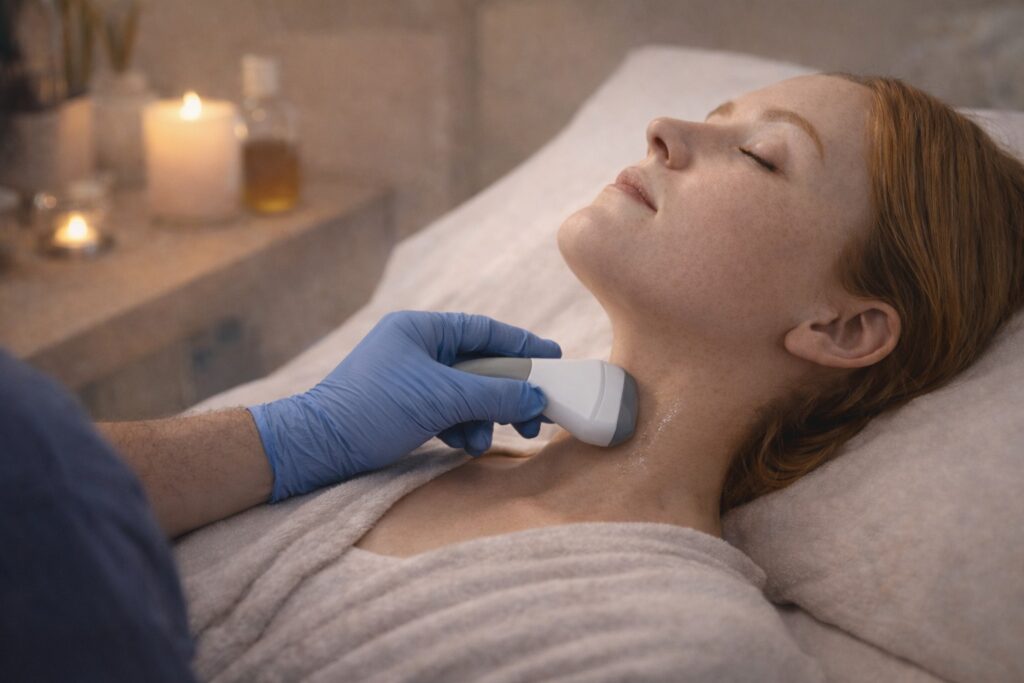
A precise injection near the stellate ganglion using imaging guidance.
3
Observation
Patients are monitored for response and any side effects.
4
Ongoing Care
Follow-up visits to assess results and plan further treatment if needed.
Stellate Ganglion Block (SGB) FAQ
Stellate Ganglion Block (SGB) is a minimally invasive injection that targets a group of nerves in the neck involved in the body’s fight-or-flight response. It may help regulate the sympathetic nervous system and is being explored for conditions related to trauma and chronic stress. SGB may help support relief for:
PTSD and trauma-related symptoms
Chronic stress and anxiety
Hyperarousal and sleep disturbances
Long COVID–related autonomic symptoms
Certain chronic pain conditions
What is a Stellate Ganglion Block?
A Stellate Ganglion Block is an injection of local anesthetic near a bundle of nerves in the neck called the stellate ganglion. These nerves influence the body’s sympathetic nervous system, which regulates the fight-or-flight response.
How does SGB work for PTSD?
SGB is thought to temporarily “reset” overactivity in the sympathetic nervous system. Some individuals with PTSD experience reduced hyperarousal and improved emotional regulation following treatment.
How long does the procedure take?
The injection itself usually takes just a few minutes, and the full appointment typically lasts 30–60 minutes including preparation and monitoring.
Is the procedure painful?
Most patients report only mild discomfort. A local anesthetic is used, and the procedure is performed under image guidance for precision and safety.
Is SGB safe?
When performed by trained medical professionals using imaging guidance, SGB is generally considered safe and well tolerated.
How long do the effects last?
The duration of benefits varies. Some individuals experience relief for weeks or months, while others may require additional treatments.
How quickly do results appear?
Some patients report changes in symptoms within hours or days, while others may notice improvements gradually over the following weeks.
General Patient FAQs
Patients often have questions about:
Conditions treated at SoCal Infusions
What to expect during infusion therapy
Safety and medical supervision
Appointment scheduling and clinic hours
Location and accessibility
Payment options and financing
Where can I find ketamine therapy near Pasadena?
SoCal Infusions provides ketamine infusion therapy for patients from Pasadena and surrounding communities seeking personalized care and professional medical oversight.
Do I need a referral for ketamine therapy?
Referral requirements vary depending on your healthcare situation. Contact our office for guidance regarding your specific needs.
How far is SoCal Infusions from Pasadena?
Travel times vary based on traffic and your location within Pasadena. Many patients choose to travel for specialized ketamine therapy services.
Is ketamine therapy available for depression?
Ketamine therapy may be discussed as a treatment option for selected patients experiencing depression, particularly when traditional approaches have not provided sufficient relief.
What conditions may ketamine therapy help treat?
Ketamine therapy may be considered for conditions such as depression, anxiety, PTSD, and certain chronic pain conditions, depending on individual circumstances.
How do I know if ketamine therapy is right for me?
The best way to determine whether ketamine therapy may be appropriate is to schedule a consultation. Our medical team will review your health history, symptoms, and treatment goals to discuss available options.
What should I expect during my first visit?
Your first visit typically includes a consultation, medical review, discussion of symptoms, treatment goals, and an opportunity to ask questions about ketamine therapy and the treatment process.
Can Pasadena patients schedule a consultation online?
Yes. Patients from Pasadena and surrounding communities can contact SoCal Infusions to learn more about treatment options and schedule an initial consultation.
Where is the clinic located, and is it easy to reach?
The clinic is located at 301 S Fair Oaks Ave, Suite 301, Pasadena, CA, in a medical office building near major streets and local hospitals. It is convenient for patients from Pasadena, South Pasadena, and surrounding communities.
What are your hours?
Appointments are typically available Monday through Friday from 9:00 a.m. to 5:00 p.m., and Saturdays from 8:00 a.m. to 2:00 p.m.
Do you take insurance or offer financing?
SoCal Infusions does not accept insurance for treatments. However, the clinic partners with third-party financing providers, such as Advance Care and Wisetack, to offer flexible payment options.
Who is a good candidate for ketamine therapy at SoCal Infusions?
Good candidates are typically adults with depression, anxiety, PTSD, or chronic pain who have not responded well to standard treatments. The medical team reviews your health history, medications, and current symptoms to determine whether ketamine is a safe and appropriate option.
Explore if SGB can help manage your pain or stress-related symptoms.