Ketamine Treatment for Migraines

Dihydroergotamine (DHE) is a medication used in specialized migraine treatment, administered intravenously so it works quickly in the bloodstream. It is often recommended for severe or prolonged migraines that have not responded to conventional medications. Because the infusion is performed in a clinical setting, patients are monitored to ensure safety and comfort.


How It Works

Migraines involve complex neurological and vascular changes in the brain. During a migraine attack, certain nerve pathways become overactive and blood vessels may become inflamed or dilated, contributing to pain and other symptoms.

DHE targets serotonin receptors involved in migraine pathways. By stabilizing these receptors and regulating blood vessel activity, the therapy may help interrupt migraine cycles and reduce symptom severity.

Benefits & Expected Outcomes

Patients receiving DHE therapy may experience several potential benefits, depending on their migraine history and condition.

Interrupt Severe Migraine Episodes

DHE therapy is often used to help break prolonged migraine cycles that have lasted for several days or longer.

Reduce Migraine Severity

Many patients report a reduction in headache intensity following treatment.

Support Chronic Migraine Management

For individuals with recurring migraines, DHE therapy may help stabilize headache patterns.

Provide Breakthrough Relief

DHE infusion therapy is commonly considered when standard migraine treatments have not provided relief.

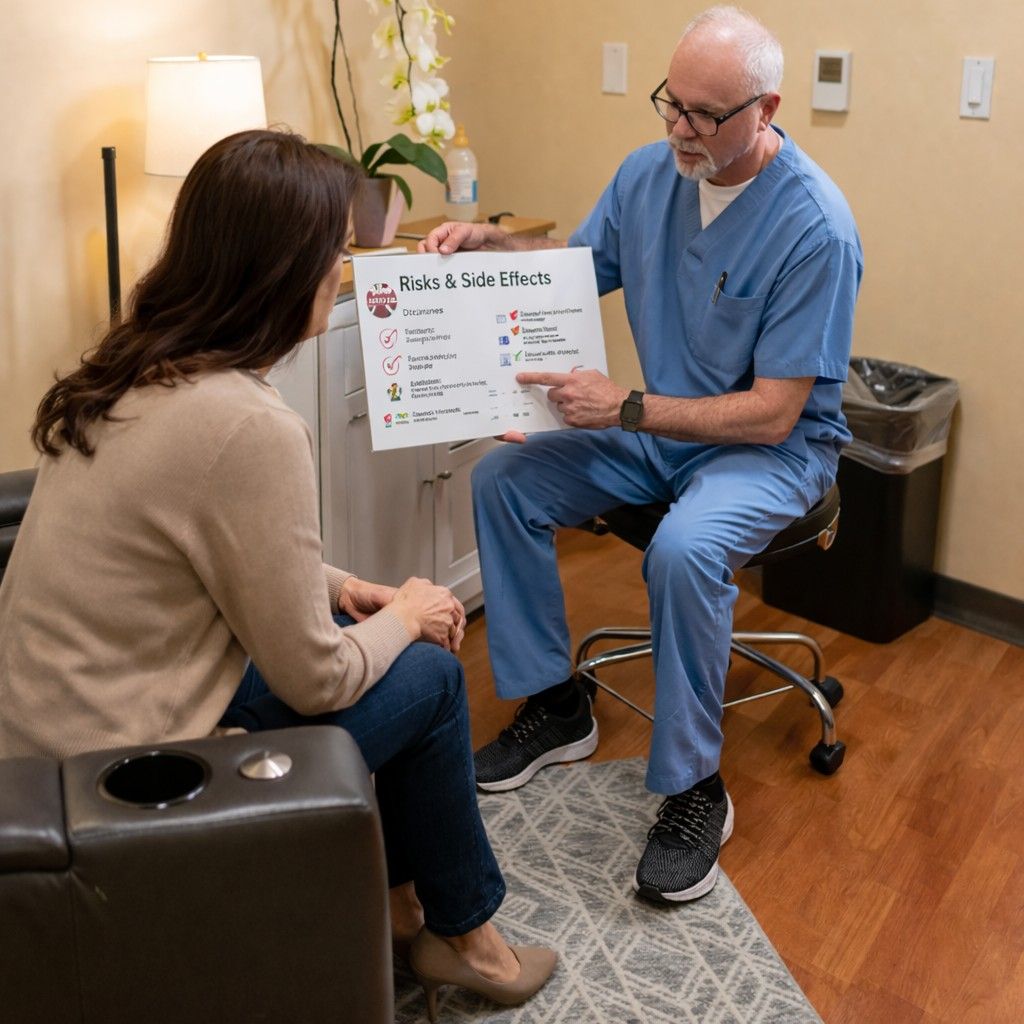
Risks, Side Effects & Considerations

As with any medical treatment, DHE infusion therapy may involve certain side effects. Most reactions are mild and temporary when treatment is administered under medical supervision.

Possible side effects may include:

Before beginning treatment, each patient undergoes a medical evaluation to determine whether DHE therapy is appropriate. Individuals with certain cardiovascular conditions or medication interactions may require alternative treatment options.

Treatment Options

PTSD is commonly treated using:

Psychotherapy

Approaches like Cognitive Behavioral Therapy (CBT) and Eye Movement Desensitization and Reprocessing (EMDR) are commonly used to address PTSD symptoms.

Medication

Prescribed medications can help alleviate related symptoms such as anxiety and depression.

Alternative Therapies

Emerging treatments, including Ketamine Therapy and Stellate Ganglion Block, offer hope for individuals with treatment-resistant PTSD.

Treatment Process

1

Personalized Consultation

During your consultation, our medical team reviews your migraine history, symptoms, and previous treatments to determine whether DHE infusion therapy is appropriate.

2

Customized Treatment Plan

If DHE therapy is recommended, a treatment plan is created based on your migraine severity, medical history, and treatment goals.

3

DHE Infusion Session

The infusion is administered in a comfortable clinical environment. Most sessions last between 30 and 90 minutes while medical staff monitor your response.

4

Follow-Up Support

After treatment, our team provides guidance on symptom monitoring and any recommended follow-up care to help maintain results.

DHE (Dihydroergotamine) Therapy FAQ

DHE (Dihydroergotamine) therapy is a medication-based treatment used to help interrupt severe or persistent migraine cycles. DHE therapy may help with:

  • Chronic migraine

  • Status migrainosus (prolonged migraine attacks)

  • Refractory migraine that hasn’t responded to other treatments

  • Cluster headaches in certain cases
What is DHE therapy?

DHE therapy involves the administration of dihydroergotamine, a medication that works on serotonin receptors and blood vessels involved in migraine pathways.

How does DHE help migraines?

DHE helps constrict dilated blood vessels and influence neurotransmitters involved in migraine attacks, which may help stop or reduce severe headaches.

How is DHE administered?

DHE may be given through IV infusion, injection, or nasal spray, depending on the treatment plan.

How long does treatment take?

IV DHE therapy sessions typically last about 60 minutes, though treatment plans may involve multiple doses over several days in some cases for ongoing or preventative care.

When should DHE therapy be considered?

DHE is often considered when migraines are severe, persistent, or resistant to typical medications.

Is DHE therapy safe?

When administered under medical supervision, DHE has been used for decades and is considered a well-established treatment for migraine management.

What are the side effects of DHE?

Side effects can include nausea, high blood pressure, and muscle cramps, all of which can be treated real-time during your session.

Can DHE stop a migraine cycle?

In some individuals, DHE therapy can help break prolonged migraine cycles and reduce headache frequency.

General Patient FAQs

Patients often have questions about:

  • Conditions treated at SoCal Infusions

  • What to expect during infusion therapy

  • Safety and medical supervision

  • Appointment scheduling and clinic hours

  • Location and accessibility

  • Payment options and financing

What is SoCal Infusions?

 SoCal Infusions (Southern California Infusion Therapy) is a Pasadena-based clinic specializing in ketamine infusions and advanced infusion therapies for treatment-resistant depression, anxiety, PTSD, OCD, and chronic pain conditions.

What conditions do you treat?

SoCal Infusions uses ketamine to help adults with complex mood and pain conditions, including major depression, anxiety disorders, suicidal ideation, PTSD, OCD, complex regional pain syndrome (CRPS), neuropathic pain, migraines, fibromyalgia, restless leg syndrome, and select postpartum mood symptoms.

How does ketamine treatment at SoCal Infusions work?

Patients begin with a medical evaluation. If ketamine is appropriate, the anesthesiology-led team creates a personalized infusion plan—typically a series of IV treatments delivered in a monitored, spa-like setting. Symptoms are closely tracked, and treatment plans are adjusted as needed.

Do I need a referral for ketamine therapy?

In many cases, no referral is required, but a professional diagnosis of some sort IS needed to begin the process. We can contact your existing care team to request information.

Where is the clinic located, and is it easy to reach?

The clinic is located at 301 S Fair Oaks Ave, Suite 301, Pasadena, CA, in a medical office building near major streets and local hospitals. It is convenient for patients from Pasadena, South Pasadena, and surrounding communities.

What are your hours?

Appointments are typically available Monday through Friday from 9:00 a.m. to 5:00 p.m., and Saturdays from 8:00 a.m. to 2:00 p.m.

Do you take insurance or offer financing?

SoCal Infusions does not accept insurance for treatments. However, the clinic partners with third-party financing providers, such as Advance Care and Wisetack, to offer flexible payment options.

Who is a good candidate for ketamine therapy at SoCal Infusions?

Good candidates are typically adults with depression, anxiety, PTSD, or chronic pain who have not responded well to standard treatments. The medical team reviews your health history, medications, and current symptoms to determine whether ketamine is a safe and appropriate option.

Not sure if DHE therapy is right for you?

Let’s explore treatment options that may help interrupt your migraine cycle.

If chronic migraines continue to affect your daily life despite traditional treatments, DHE infusion therapy may offer a medically supervised option for relief.